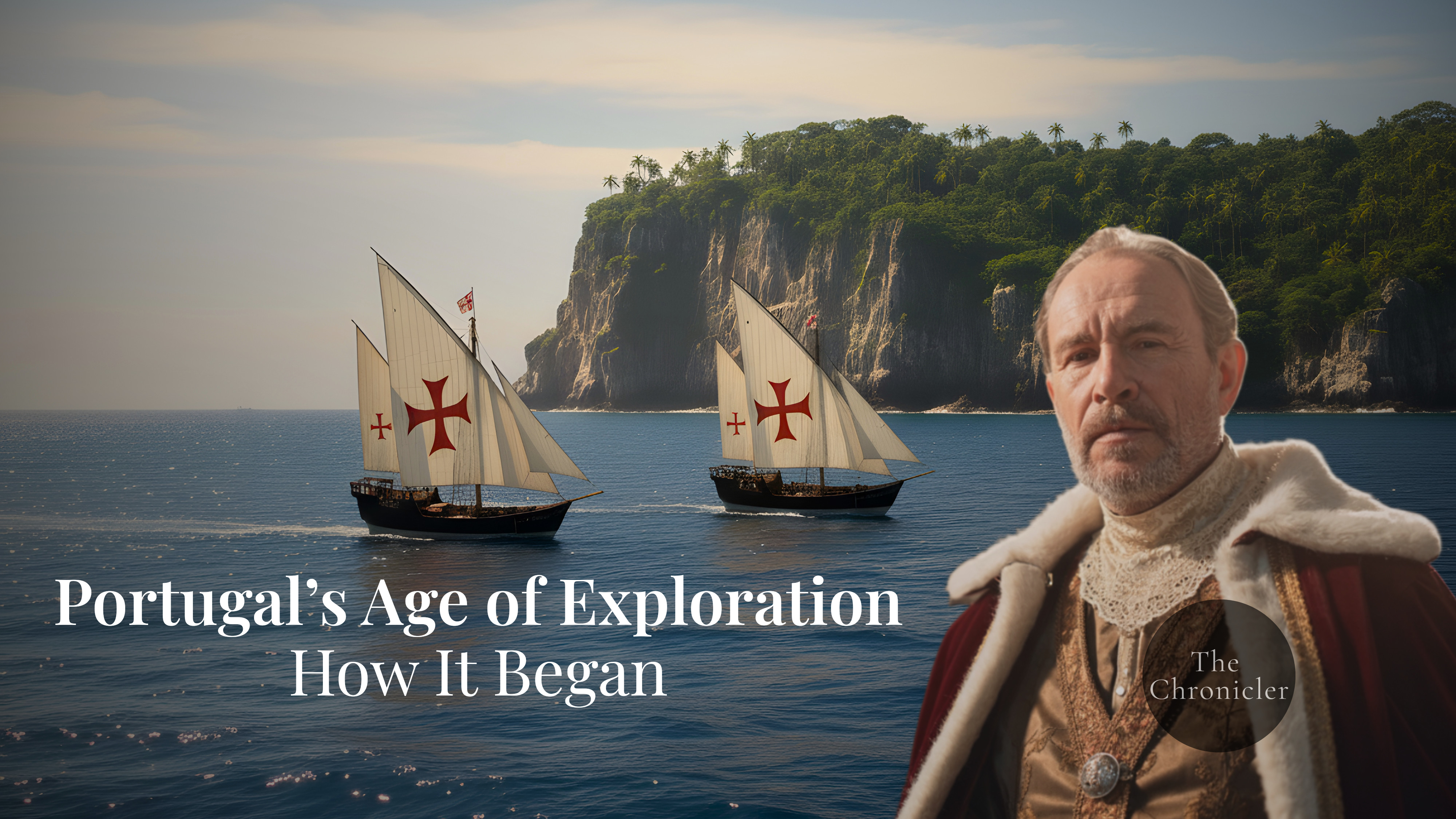
When Vasco da Gama returned to Lisbon in 1499, it should have been the greatest triumph in Portugal’s history. He had found the sea route to India, opening the door to unimaginable wealth and global power. The Age of Discovery had reached its peak.
But as the celebrations faded, the true cost of empire began to reveal itself.
Historical Background
Da Gama’s return to Portugal sent shockwaves across Europe and the Islamic world. A small Atlantic kingdom now had direct access to the source of the world’s most valuable commodities — and every established power had something to lose.
The Spice Trade Revolution
The spices Da Gama brought back — pepper, cinnamon, ginger, and cloves — were worth sixty times the cost of the entire expedition. Portugal’s sea route to India bypassed centuries of overland trade controlled by Arab, Persian, and Venetian intermediaries. For the first time, a European power could purchase spices at the source and sell them directly in Lisbon.
Venice in Crisis
The Republic of Venice, which had grown wealthy as Europe’s gateway to Eastern luxury goods, faced an existential threat. Venetian merchants had relied on the Red Sea and overland caravan routes for centuries. Portugal’s direct sea connection to India threatened to make Venice irrelevant. The Venetian Senate sent ambassadors to Cairo, urging the Mamluk Sultan to block Portuguese expansion.
Cairo and the Mamluk Response
The Mamluk Sultanate in Egypt controlled the Red Sea trade corridor — the traditional route for spices entering the Mediterranean. Portuguese incursion into the Indian Ocean threatened their customs revenue and political influence. Cairo began preparing for a confrontation that would play out across the seas of the Indian Ocean.
From Discovery to Conquest
Da Gama’s voyage proved the route was viable. But establishing permanent control required a different approach — fortified trading posts, naval superiority, and the willingness to use violence. Portugal was about to transition from a nation of explorers into an imperial power, and the consequences would reshape continents for centuries to come.
One Voyage, Endless Consequences
The reverberations of Da Gama’s expedition extended far beyond trade. It altered the balance of power between Europe and Asia, accelerated the decline of established trading empires, and laid the foundations for European colonialism. What began as a quest for spices ignited wars, shattered old monopolies, and reshaped the world.